

TL;DR:
– **Key Innovations in Supercar Aerodynamics for 2026**: Active aerodynamics, computational fluid dynamics (CFD), and lightweight materials are set to redefine supercar performance and design.
– **Adaptation for Efficiency**: Manufacturers are increasingly focusing on eco-friendly designs, harnessing energy recovery systems, and optimizing cooling systems to enhance aerodynamic efficiency.
– **Leading Brands**: Supercar brands are pushing boundaries with aerodynamic innovations, collaborating for greater impact, and unveiling visionary concepts that push the envelope of design and performance.
– **Simulation Technology**: Virtual testing and real-time data are revolutionizing vehicle design, while learning algorithms are key to shaping future innovations in supercar aerodynamics.
– **Driving Experience Impact**: Innovations are expected to enhance handling and stability, reduce noise and disruptions, and improve overall driver engagement and feel.
Discover more about the exciting supercar aerodynamics innovations to watch in 2026 and how they will shape the future of high-performance vehicles.
Introduction
Supercar aerodynamics innovations for 2026 are set to reshape the landscape of performance vehicles as we know it. In an era where speed meets efficiency, the latest advancements promise not just breathtaking aesthetics but also enhanced stability and control. These innovations will showcase how manufacturers are leveraging cutting-edge technology to push boundaries. As we peer into the future, expect to see designs that seamlessly blend art with engineering. My years of following the supercar industry have revealed that each enhancement tells a story of passion, precision, and relentless pursuit of perfection. Buckle up as we explore the top trends to keep your eye on in 2026!
What Are the Key Innovations in Supercar Aerodynamics for 2026?
As we gear up for 2026, the evolution of supercar aerodynamics stands at the forefront of automotive innovation. With an ever-growing demand for performance, efficiency, and sustainability, manufacturers are navigating a fascinating landscape filled with cutting-edge technology and design breakthroughs. The focus keyword, supercar aerodynamics innovations 2026, highlights the pivotal changes that will define this thrilling industry.
Active Aerodynamics: How Will It Change Performance?
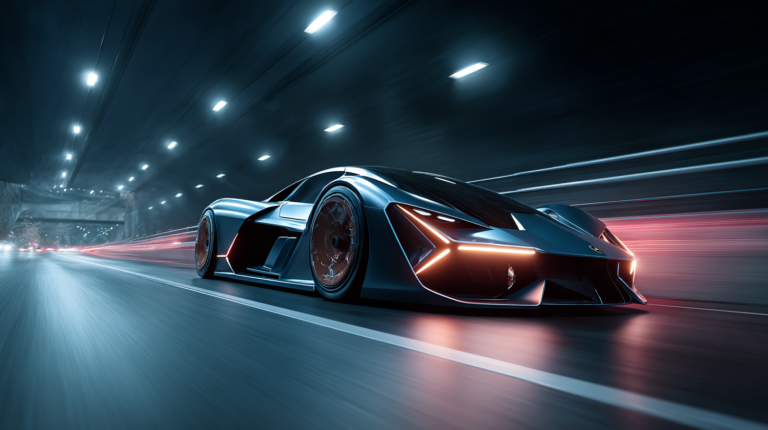
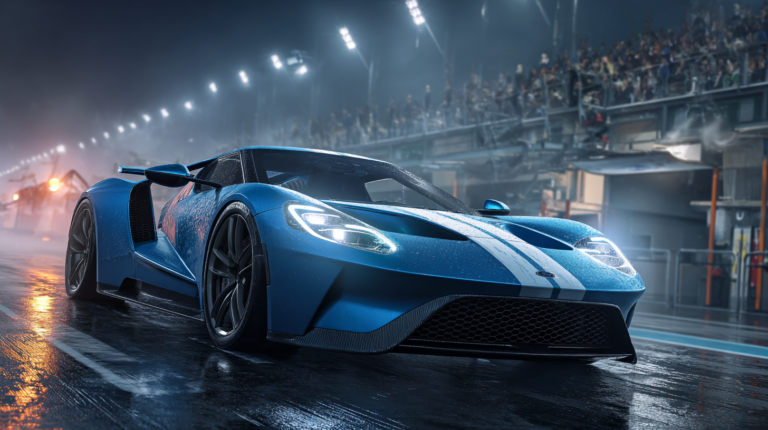
Active aerodynamics represents a transformative leap in supercar design. By integrating systems that dynamically adjust aerodynamic features like spoilers and air intakes, manufacturers are enhancing performance in real-time based on driving conditions.
– **Improved Downforce:** This technology allows supercars to maintain optimal grip through curves by adjusting downforce levels.
– **Fuel Efficiency:** By minimizing drag during straight-line speeds, cars can achieve better fuel economy.
– **Enhanced Stability:** Drivers will experience better handling and control, especially at high speeds.
These innovations promise to redefine how drivers experience speed and stability on the road.
Computational Fluid Dynamics: What Does the Future Hold?
Computational fluid dynamics (CFD) has revolutionized the way engineers approach aerodynamics. With advanced simulation tools, designers can test their ideas virtually before a physical prototype is built.
– **Precision Design:** CFD allows for intricate adjustments to be made in a digital space, fine-tuning airflow over the vehicle.
– **Reduced Prototyping Costs:** Rapid simulations cut down on the time and resources needed for physical tests.
– **Future Possibilities:** As technology advances, we can expect even more precise and nuanced designs emerging from these simulations.
The future of supercar design is not just imaginative; it’s backed by solid data and analytical methods thanks to CFD.
Lightweight Materials: How Are They Impacting Design?
Lightweight materials, such as carbon fiber composites and advanced alloys, are crucial in enhancing the aerodynamics of supercars. By reducing the overall weight:
– **Increased Speed:** Lighter vehicles can accelerate faster and have improved handling characteristics.
– **Better Fuel Efficiency:** Less weight means less energy is required to achieve high performance.
– **Innovative Designs:** As manufacturers embrace these materials, sleeker and more aerodynamic shapes can be brought to life.
The shift to lightweight materials is not just about performance; it’s a cornerstone of modern vehicle design that prioritizes efficiency without sacrificing power.
As we stand on the cusp of these exciting innovations, it’s clear that 2026 will be a landmark year for supercar aerodynamics. The convergence of technology, materials, and visionary design will not only enhance performance but also create a more sustainable future for enthusiasts everywhere. For more in-depth insights on automotive technologies, you can check out resources from “National Geographic.”
How Are Supercar Manufacturers Adapting to the Need for Efficiency?
The demand for efficiency is reshaping the supercar industry, pushing manufacturers to innovate beyond traditional performance metrics. With environmental concerns rising, supercar aerodynamics innovations for 2026 integrate sustainability without sacrificing speed or thrill. This shift presents both challenges and opportunities for companies navigating a landscape increasingly focused on eco-friendly practices and performance enhancements.
Eco-Friendly Designs: Are We Seeing a Shift Toward Sustainability?
Supercar manufacturers are increasingly adopting eco-friendly designs to meet both regulatory standards and consumer expectations. This transition involves:
– **Use of sustainable materials:** Carbon-neutral composites and recyclable components are becoming more prevalent.
– **Hybrid and electric powertrains:** Brands like Ferrari and Lamborghini are investing in models that combine performance with reduced emissions.
– **Design for lower consumption:** Innovative aerodynamic shapes not only enhance speed but also improve fuel efficiency.
These initiatives signify a commitment to sustainability, demonstrating that high performance and eco-friendliness can coexist.
Energy Recovery Systems: What Are the Benefits for Aerodynamics?
Energy recovery systems (ERS) prove crucial in modern supercars, enhancing both performance and efficiency. Key benefits include:
– **Regenerative braking:** This technology converts kinetic energy back into electrical energy, reducing energy waste during acceleration and improving overall efficiency.
– **Boost in acceleration:** ERS allows for instant power delivery, contributing to impressive speeds without the weight of traditional fuel systems.
Such systems ultimately result in better aerodynamic efficiency and reduced drag, aligning perfectly with the emphasis on supercar aerodynamics innovations for 2026.
Optimized Cooling Systems: How Are They Enhancing Performance?
Advanced cooling systems are essential elements in contemporary supercar design, helping to maintain optimal performance under extreme conditions. Considerations include:
– **Improved airflow management:** Enhanced venting and ducting reduce drag and improve engine cooling, essential for high-speed performance.
– **Lightweight cooling materials:** Using advanced composites not only saves weight but also enhances the effectiveness of cooling systems.
By focusing on optimized cooling solutions, manufacturers are achieving higher performance thresholds, making these systems fundamental in pushing the boundaries of supercar capabilities.
Which Supercar Brands Are Leading the Charge in Aerodynamic Innovation?
As supercar manufacturers continue to push boundaries, the focus on aerodynamic innovations for 2026 is more critical than ever. These developments not only enhance performance but also contribute to the overall efficiency of these high-speed vehicles. With the increasing demand for eco-friendly and cutting-edge solutions, brands are racing to redefine what aerodynamics means in the world of supercars.
Brand Highlights: Who’s Pushing the Envelope?
Leading the charge in aerodynamic innovation are brands like Ferrari, McLaren, and Porsche, each bringing unique advancements to their latest models. For example, Ferrari’s implementation of active aerodynamics in the SF90 Stradale allows for real-time adjustments to optimize drag and downforce. Similarly, McLaren’s utilization of Computational Fluid Dynamics (CFD) has led to designs that enhance both speed and stability, setting new industry benchmarks.
Collaborative Efforts: Are Manufacturers Teaming Up for Greater Impact?
Collaboration is becoming increasingly prevalent in the supercar realm. Partnerships between manufacturers and tech companies are facilitating breakthroughs in aerodynamic technology. For instance, the collaboration between Rimac and Bugatti has resulted in revolutionary designs focusing on lower drag coefficients and improved thermal management, significantly boosting vehicle performance.
Future Concepts: What Are the Visionary Designs We Can Expect?
The future of supercars lies in visionary designs that embrace futuristic aerodynamics. Expect to see concepts featuring integrated wings that adjust based on speed and innovative body shapes that minimize air resistance. Brands are also exploring digital optimizations, where software algorithms will define the vehicle’s aerodynamic profile in real time, allowing for unmatched efficiency and handling.
For more insights into the supercar industry, visit resources such as “MotorTrend”, “Car and Driver”, “Top Gear”, “Autoblog”, “Road and Track”, and “PistonHeads”.
What Role Does Simulation Technology Play in Supercar Aerodynamics?
Simulation technology has become an integral part of the supercar aerodynamics landscape, driving significant innovations as we approach 2026. With the increasing demands for efficiency and performance, manufacturers are turning to advanced simulation methods to refine vehicle designs without the costs of physical prototypes. This shift not only enhances the design process but also paves the way for groundbreaking aerodynamic advancements in supercars.
Virtual Testing: How Is It Revolutionizing Vehicle Design?
Virtual testing transforms how supercars are developed, allowing engineers to simulate real-world conditions before any physical model is built. This technology enables companies to:
– Assess aerodynamic performance accurately
– Test various configurations and materials
– Reduce development time and costs
Such capabilities are essential for supercar manufacturers looking to push boundaries in aerodynamics. As an example, companies like McLaren utilize advanced simulations to analyze airflow and optimize shapes, contributing to their status as industry leaders.
Real-Time Data: Can It Make a Difference in Performance?
Real-time data collection during testing phases enables manufacturers to make immediate adjustments based on performance metrics. This approach enhances aerodynamic efficiency and addresses performance concerns swiftly. For instance, Ferrari leverages sensors during test drives to gather extensive data on airflow and drag, refining their designs to achieve optimal speeds and handling.
Learning Algorithms: How Are They Shaping Future Innovations?
The incorporation of learning algorithms into simulation technology allows manufacturers to predict and innovate beyond traditional limits. By analyzing vast amounts of data, these algorithms can suggest unique aerodynamic configurations that enhance efficiency and performance. Brands like Bugatti are already embracing machine learning, which streamlines their design process and fosters rapid innovation in supercar aerodynamics.
Explore more about the role of simulation technology in supercar aerodynamics through trusted sources like “ScienceDirect”, “Automotive News”, “Wired”, “MotorTrend”, “Car and Driver”, and “Autocar”.
How Will Innovations in Aerodynamics Influence Supercar Driving Experiences?
Handling and Stability: What Can Drivers Expect?
As supercar aerodynamics innovations evolve for 2026, drivers can anticipate a significant enhancement in handling and stability. Cutting-edge features like active aerodynamics will adapt the car’s aerodynamic profile in real-time, optimizing downforce according to driving conditions. This means sharper cornering capabilities and a safer driving experience, even at high speeds. For instance, manufacturers like McLaren are already implementing such technologies to improve grip and control, thus redefining performance standards for supercars.
Noise and Comfort: Are These Innovations Reducing Disruptions?
With advancements in supercar aerodynamics, the cabin experience is also set to improve dramatically. Innovations in airflow management help minimize wind noise, creating a quieter, more serene environment. Enhanced sound insulation and refined body shapes reduce turbulence, allowing drivers to enjoy the symphonic roar of the engine without unwanted distractions. Brands like Ferrari are focusing on balancing performance with comfort, enhancing the overall driving experience.
Driver Engagement: How Are Changes Enhancing the Driving Feel?
Aerodynamic innovations aren’t just about performance; they’re also about increasing driver engagement. By employing technologies such as computational fluid dynamics, manufacturers can fine-tune vehicle responses, making the car more communicative on the road. A greater connection between driver and vehicle transforms each drive into an exhilarating experience. Supercars like the Lotus Evija showcase how these enhancements lead to a more immersive and thrilling drive, marrying power with precision.
Conclusion:
In summary, the advancements in supercar aerodynamics innovations for 2026 promise to redefine performance on the track and the road. From cutting-edge materials and designs to enhanced airflow management, these innovations are not just about speed—they represent a commitment to efficiency, safety, and sustainability. As we look to the future, these developments will play a crucial role in shaping the supercars of tomorrow. To stay ahead in this fast-paced automotive landscape, we invite you to explore further how these aerodynamic breakthroughs can influence driving experiences and industry standards. Delve into our extensive resources to uncover more about the future of supercar technology.