

TL;DR:
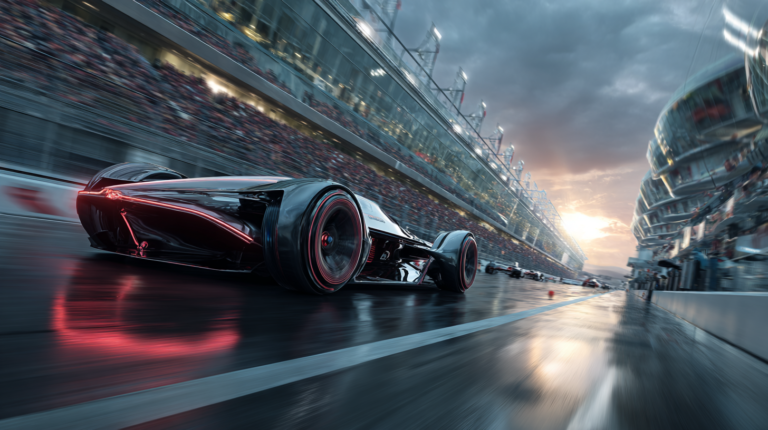
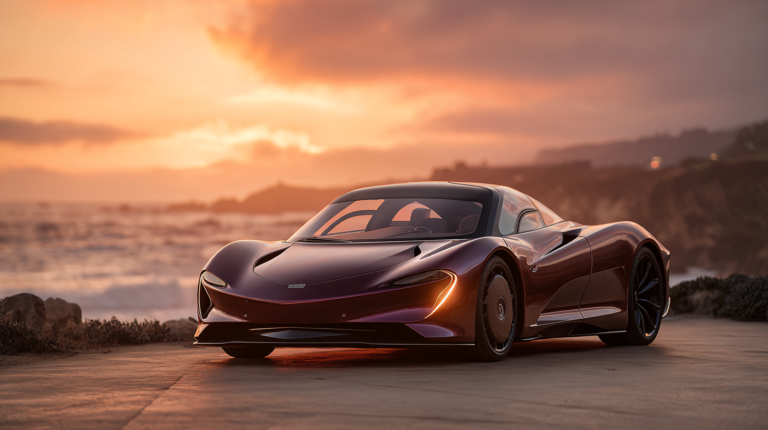
– Discover the remarkable vehicles that exceed 300 mph, including hypercars and jet-powered machines, showcasing their extraordinary performance.
– Explore the cutting-edge technologies driving these speeds, from advanced aerodynamics to innovative engine designs and materials science.
– Understand the engineering challenges faced, such as safety concerns, technological limitations, and the impact of weather and terrain.
– Learn how drivers prepare for the extremes of high-speed racing through physical training and managing G-forces, with crucial team support.
– Stay ahead of the curve with insights into future trends, particularly the influence of electric vehicles and autonomous technology on speed advancements.
This summary encapsulates the need for speed and the innovative strides being made in the realm of vehicles exceeding 300 mph, enticing readers to dive deeper into the article’s rich content.
Introduction
Over 300 mph—this is where the magic happens. Vehicles that break this speed barrier push the limits of engineering and design. They aren’t just machines; they represent the pinnacle of human ingenuity. Imagine the roar of an engine as it unleashes unbridled power. In this blog post, we will dive into the world of hypercars, jet-powered vehicles, and advanced racing machines. We’ll uncover the secrets behind their astounding speeds and the technology that makes it all possible. With years of experience in the automobile industry, I’m excited to share insights that highlight both the thrill and the craftsmanship of these incredible feats. Buckle up; it’s going to be a fast ride!
What Vehicles Can Exceed 300 mph?
Have you ever wondered what it feels like to soar past 300 miles per hour? The world of speed enthusiasts is constantly evolving, with innovative vehicles like hypercars and jet-powered machines pushing boundaries. These marvels of engineering not only fulfill our need for speed but also showcase remarkable technological advancements.
What Are Hypercars and How Do They Perform?
Hypercars represent the pinnacle of automotive engineering, offering blistering speed and cutting-edge technology. Vehicles like the Bugatti Chiron and SSC Tuatara have not just crossed the 300 mph mark but have done so while providing exceptional performance and luxury. These cars often leverage lightweight materials, advanced aerodynamics, and powerful engines to achieve their incredible velocities. With enhancements in computer systems, hypercars can optimize their performance live, adjusting to the road conditions and driving style in real-time.
Which Jet-Powered Vehicles Break the Speed Barrier?
When it comes to jet-powered vehicles, we venture beyond conventional automotive design. The Bloodhound SSC, for instance, is a project aimed at achieving speeds over 300 mph using a jet engine and rocket propulsion. This extraordinary machine is a testament to human ingenuity and the relentless pursuit of speed, showcasing how air and land vehicle technologies can merge to create truly unique experiences.
How Do Racing Machines Achieve These Speeds?
Racing machines, often seen on tracks, are specifically designed to breach the 300 mph threshold. These vehicles employ high-performance engines, precision engineering, and sheer willpower. Factors such as tire composition, weight distribution, and aerodynamics are meticulously calibrated to enhance speed and stability. The collaborative efforts of engineers, drivers, and teams make achieving such remarkable speeds possible, turning dreams into reality for speed-seekers around the globe.
For a deeper dive into the engineering marvels of the automotive world, you can explore resources from “National Geographic,” where the latest advancements in technology are showcased.
What Technologies Enable Extreme Speeds?
Have you ever wondered what makes it possible for vehicles to exceed 300 mph? The quest for extreme speed has driven innovations across various technologies, resulting in extraordinary advancements in automobiles and aviation. These innovations are not merely about going faster; they integrate multiple disciplines to optimize performance, safety, and efficiency.
How Does Aerodynamics Play a Role in Speed?
Aerodynamics is crucial for any vehicle aiming for extreme speeds. By designing bodies that minimize air resistance, engineers can drastically improve performance. Here are some key aspects:
– **Streamlined Shapes:** Sleek designs reduce drag, allowing vehicles to cut through the air more efficiently.
– **Ground Effect:** This principle uses airflow beneath a vehicle to increase downforce, enhancing stability at high speeds.
– **Wing Design:** Adjustable aerodynamic wings help manage balance and control, especially during acceleration and sharp turns.
For more on aerodynamics, refer to resources from “NASA” and “SAE International”.
What Innovations in Engine Technology Are Pioneering Speed?
At the heart of high-speed vehicles are powerful engines that push performance boundaries. Key innovations include:
– **Turbocharging and Supercharging:** These technologies force more air into the engine, allowing for greater fuel combustion and, consequently, higher speeds.
– **Electric Powertrains:** Offering instant torque and high efficiency, electric engines like those in the Rimac C_Two are reshaping the speed landscape.
– **Hybrid Systems:** Combining traditional combustion engines with electric motors can yield extraordinary speed while improving fuel efficiency.
Learn more about modern engine technologies at “Car and Driver” and “Motor Trend”.
How Do Materials Science and Weight Reduction Contribute?
The materials used in vehicle construction significantly impact speed and performance. Innovations in materials science have led to:
– **Lightweight Composites:** Materials like carbon fiber reduce overall weight, enhancing speed without sacrificing strength.
– **Advanced Alloys:** These offer improved strength-to-weight ratios, particularly in engine components and frames.
– **Aerogel Insulation:** Lightweight and excellent thermal insulators, applications of aerogels help reduce weight while managing heat in high-performance vehicles.
For further insight, explore articles from “Materials Today” and “Science Direct”.
What Challenges Do Engineers Face in Creating 300 mph Vehicles?
Creating vehicles that can exceed 300 mph is no small feat, as engineers encounter numerous challenges that affect design, safety, and performance. With speed comes responsibility, and addressing these concerns is crucial in advancing vehicle technology beyond current limits.
How Do Safety Precautions Affect Design Choices?
Safety is paramount when designing vehicles capable of such high speeds. Engineers must integrate robust safety features without compromising aerodynamics or performance. They often utilize advanced crumple zones and roll cages to protect drivers, alongside sophisticated onboard systems that can monitor and react to potential hazards during a high-speed run. Additionally, this necessitates extensive testing to ensure that the vehicle can handle extreme conditions safely.
What are the Limitations of Current Technology?
Despite advancements, several technological limitations hinder the development of 300 mph vehicles. The constraints often stem from engine output, tire durability, and the precision of electronic controls. For instance, engines must generate extraordinary power while maintaining reliability, while tires face significant wear and tear at such speeds. Innovations like adaptive traction control systems and improved materials are essential to push these boundaries further.
How Do Weather and Terrain Impact Speed Performance?
Weather and terrain are critical factors that influence how a vehicle behaves at extreme speeds. Adverse conditions such as rain or high winds can greatly affect aerodynamics and traction, posing a significant risk to achieving maximum velocity. For example, engineers must consider increasing downforce for stability during turns or fine-tuning the vehicle’s setup to handle various terrains. Understanding these external factors is crucial for optimizing performance and safety on the track or open road.
For further insights on the engineering challenges in automotive design, explore resources from “SAE International” or “Engineering.com” for in-depth analyses and industry discussions. You can also refer to platforms like “Automotive News” or “Car and Driver” for the latest updates in automotive technology.
How Do Drivers Prepare for High-Speed Racing?
Have you ever wondered what it takes for drivers to compete at speeds exceeding 300 mph? These athletes undergo rigorous physical and mental preparation, as the demands of high-speed racing are unlike any other sport.
The ultimate goal is to enhance performance while ensuring safety amidst the intense challenges of extreme velocities.
What Physical and Mental Training is Required?
High-speed racing requires a unique blend of physical conditioning and mental fortitude. Drivers engage in:
– **Cardiovascular Training**: To sustain focus and stamina during lengthy races.
– **Strength Training**: To build core muscles essential for withstanding G-forces.
– **Mental Conditioning**: Techniques like visualization and meditation to enhance concentration and decision-making under pressure.
Such preparation ensures that drivers remain at peak performance while pushing their machines to the limit.
How Do Drivers Manage G-Forces at High Speeds?
As speeds increase, so does the impact of G-forces, which can be a challenge for even the most skilled drivers. They employ various strategies, including:
– **Neck Strengthening Exercises**: To support the head during sudden acceleration.
– **Specialized Racing Seats**: Designed to minimize the effects of G-forces on the body.
– **Strategic Breathing Techniques**: To maintain focus and manage physical responses to pressure.
Implementing these measures allows drivers to maintain control and respond effectively at extreme velocities.
What Role Does Team Support Play During Races?
Behind every successful driver is a dedicated team that plays an integral role in race performance. The support includes:
– **Pit Crew Coordination**: Ensures quick tire changes and repairs, saving valuable time during races.
– **Data Analysis**: Engineers provide real-time data to help the driver make informed decisions.
– **Emotional Support**: Team psychologists help keep drivers mentally balanced.
This collaborative effort is vital for navigating the intense environment of high-speed racing, ultimately enhancing performance.
For more insights on racing and driver preparation, you can explore information on [Racer.com](https://www.racer.com), [NASCAR](https://www.nascar.com), [FIA](https://www.fia.com), [Motorsport.com](https://www.motorsport.com), [RCM](https://www.racingcar.com), and [AutoWeek](https://www.autoweek.com).
What Are the Future Trends in 300 mph Vehicle Development?
The quest for vehicles that can exceed 300 mph is evolving rapidly, drawing immense interest from automotive enthusiasts and innovators alike. As technology advances, the intersection of speed and environmental consciousness emerges, paving the way for groundbreaking developments. With the quest for speed, manufacturers must navigate emerging technologies, regulatory changes, and public safety considerations.
How Are Electric Vehicles Shaping the Future of Speed?
Electric vehicles (EVs) are redefining speed capabilities. Innovations in battery technology are crucial, with improvements leading to faster charging times and lighter weights. Notable examples include the Rimac C_Two and the Tesla Roadster, both of which are designed to breach the 300 mph barrier. The shift to electric also emphasizes sustainability, showing that high performance and environmental responsibility can coexist.
What Role Will Autonomous Technology Play in Race Cars?
Autonomous technology is set to revolutionize how we perceive speed. By integrating AI and machine learning, race cars can achieve split-second decision-making that exceeds human capabilities. This technology not only enhances safety but also optimizes performance through real-time data analysis. The potential for autonomous racing leagues could redefine competition, focusing on engineering innovation over sheer driver skill.
How Will Regulations Evolve to Keep Up with Speed Innovations?
As vehicles breach the 300 mph mark, regulatory frameworks must adapt. Expect stricter safety regulations and testing protocols to ensure driver and spectator safety. Organizations like the FIA and various national regulators are already discussing new guidelines that account for electric powertrains and autonomous features. Balancing innovation with public safety will be critical in shaping future automotive policies.
Through these trends, the vision of vehicles exceeding 300 mph becomes not just a dream but a plausible future, demonstrating how technology and innovation can align with safety and sustainability. For more insights on this exciting field, check out resources from “Automotive News”, “Car and Driver”, “MotorTrend”, “Wired”, “IEEE Spectrum”, and “Jalopnik”.
Conclusion:
In conclusion, the article highlights the remarkable advancements in technology that have enabled vehicles to achieve speeds of over 300 mph. We explored how engineering innovations, aerodynamics, and powertrain developments are pushing the boundaries of performance in motorsports and automotive design. As we stand on the brink of a new era in speed and efficiency, the future promises even more exhilarating possibilities. For enthusiasts and curious minds alike, there’s much more to discover about the implications of these breakthroughs in speed. Dive deeper into our rich resources and join the conversation about the revolution in high-speed performance!