
TL;DR:
- The article explores the distinctive sound profiles of supercar engines: V12, V8, and V10, delving into the unique characteristics that define each engine’s auditory experience.
- V12 engines are celebrated for their rich harmonics, emotional resonance, and examples like the Ferrari 812 Superfast, creating an iconic audio identity.
- The V8 is renowned for its raw, throaty growl, boasting legendary models such as the Ford Mustang and Chevrolet Corvette, and its sound varies significantly across manufacturers.
- V10 engines are characterized by their high-pitched notes, with notable examples like the Audi R8 and Lamborghini Huracán, showcasing an evolution in sound design.
- The article compares how these engines perform acoustically on track and road, emphasizing the distinctiveness of their sounds in various environments.
- Sound is vital to the supercar driving experience, heavily influencing buyer preferences and the future of supercar designs amid the shift towards electrification.
This sound comparison of V12 vs V8 vs V10 not only highlights the technical aspects but also connects with supercar enthusiasts’ emotional experiences.
Introduction
Epic supercar sound comparison V12 vs V8 vs V10 takes center stage in 2025, and enthusiasts everywhere are buzzing. Each engine type offers a unique auditory experience that elevates the supercar’s allure. The V12 boasts a symphonic richness, the V8 delivers a raw, unmistakable growl, and the V10 blends both with a distinctive roar. With years spent in the performance car industry, I’ve listened to these powerhouses both on the road and the track. Each sound tells a story, capturing the essence of speed and engineering prowess. Join me as we dissect these iconic sounds, celebrating what makes each configuration special and unforgettable. Buckle up; it’s time for a thrilling auditory journey.
What Makes the V12 Engine Sound So Unique?
Have you ever found yourself captivated by the distinct rumble of a V12 engine? The allure of its sound goes beyond mere mechanics; it strikes a chord within many performance car enthusiasts. Understanding the vibrancy of V12 tones provides valuable insights into supercar sound comparison—particularly when stacked against V8 and V10 opponents.
The Harmonics of the V12
What sets the V12 engine apart is its unique harmonic structure. With twelve cylinders firing in a sequential pattern, these engines create a symphony of sound that resonates deeply. The even firing order allows for a smoother, richer sound profile, often described as a deep growl that can morph into a heavenly wail at higher RPMs. This smoothness contrasts sharply with the more aggressive roars of V8 engines, ensuring the V12 stands as a hallmark of power and grace.
Iconic Examples of V12 Supercars
When we think of V12 supercars, a few iconic names immediately come to mind. Brands like Ferrari, Lamborghini, and Aston Martin have crafted masterpieces that showcase V12 magic. The Ferrari LaFerrari and Aston Martin’s V12 Vantage are just two examples of vehicles where the sound is not just an engine performance indicator but an emotional experience. These machines create a soundscape that resonates with the soul, turning every drive into a memory.
The Emotional Connection to V12 Sounds
The sound of a V12 is more than just a noise—it’s an emotional anthem for many car enthusiasts. It evokes feelings of nostalgia and excitement, reminiscing about legendary races and automotive innovations. This emotional connection enhances the overall driving experience, making every moment spent in a V12 supercar feel monumental. The symphonic allure of its sound resonates on a deeply personal level, making it a cherished aspect of automotive culture.
In this vibrant world of performance cars, the V12 engine’s unique sound sprawls across an emotional and mechanical landscape that engages and astounds.
Why is the V8 Sound Considered the Rawest?
What is it about the sound of a V8 engine that sends chills down the spines of performance car enthusiasts? Renowned for its gruff and powerful roar, the V8 sound captivates drivers and spectators alike. As we delve into the world of supercar sound comparison involving V12 vs V8 vs V10 engines, let’s explore what makes the V8 a standout.
The allure of the V8 engine lies not just in its performance but also in its unique auditory signature. Its deep, guttural growl emanates a visceral energy that transforms a simple drive into an exhilarating experience. For many enthusiasts, the challenge lies in understanding and appreciating the nuances of this iconic sound. By examining these characteristics, we can offer clarity on what defines the V8 and why it remains a favorite among fans.
The Characteristics of V8 Engine Noise
The V8 engine noise is characterized by its rich, throaty growl, a blend of power and aggression. Features of this sound profile include:
- Distinctive Thumping: The firing sequence of a V8 creates a rhythmic thump, reminiscent of a heartbeat that resonates with adrenaline.
- Low-Frequency Roar: The deep bass notes provide a commanding presence, often likened to the sound of a predator growling.
- Sporty Aggression: Performance-oriented V8s deliver an exhilarating auditory experience that evokes excitement and raw power.
This unique sound can be attributed to factors such as engine displacement, cylinder arrangement, and exhaust configuration, making it a favorite among automotive enthusiasts.
Famous V8 Supercars and Their Roars
Several supercars exemplify the true essence of V8 sounds. Notable models include:
- Ford Mustang: Known for its iconic rumble, the Mustang’s V8 engine captivates with its aggressive tones.
- Chevrolet Corvette: The Corvette’s V8 engine delivers a thrilling soundscape that echoes its performance capabilities.
- Dodge Charger Hellcat: This beast commands attention with a monstrous roar that epitomizes raw American muscle.
These vehicles not only showcase performance metrics but also create an emotional connection through their exhilarating sounds.
Comparing V8 Sounds Across Different Manufacturers
When it comes to V8 engines, different manufacturers have distinctive tuning, which sets their sounds apart.
What Distinguishes the V10 Sound Profile?
Ever wondered what makes the V10 engine sound so distinct in the world of performance cars? This unique sound profile captivates car enthusiasts, making it one of the most admired among supercar sound comparisons, particularly when set against the throaty growls of the V8 and the melodic notes of the V12. The V10 produces a distinctive sonic signature that is both high-pitched and aggressive, appealing to those who crave an exhilarating auditory experience.
The Signature High-Pitched Notes of V10 Engines
The high-pitched notes of V10 engines stem from their design, featuring a configuration that allows for a balanced sound wave. This configuration produces a signature tone that often transcends traditional engine noises. Key characteristics include:
- A sharper onset of sound compared to V8 and V12 engines
- Higher rev limits leading to a more exhilarating auditory experience
- A unique harmonic structure that resonates differently, making it stand out on the road or track
This distinct sound invites immediate recognition among enthusiasts and casual observers alike.
Notable V10 Supercars in the Market
Several notable supercars feature V10 engines, each delivering a recognizable and thrilling sound. Some standout models include:
- Audi R8: Acclaimed for its balanced performance and engine note, the R8’s V10 reaches an exhilarating crescendo that excites drivers and spectators.
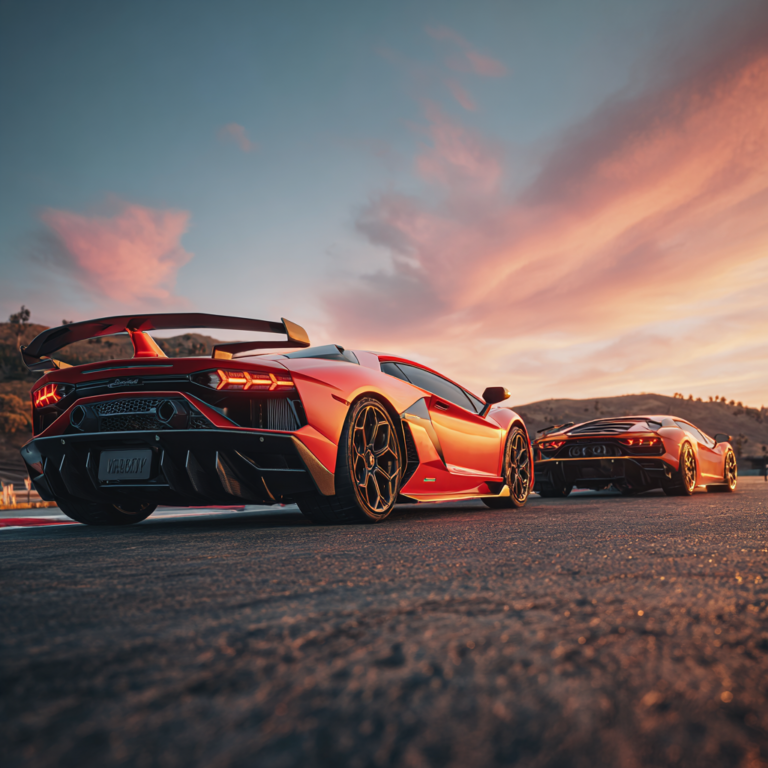
- Lamborghini Huracán: This supercar combines a wild, aggressive sound with striking design, making it a crowd favorite.
- Ford GT: With its turbocharged V6, it technically doesn’t fit the typical V10 mold but exists in a league of its own, highlighting the diversity in sound among performance cars.
These vehicles not only showcase exceptional performance but also contribute to the rich tapestry of automotive sounds that characterize the supercar realm.
The Evolution of the V10 Sound Over Time
The V10 sound has evolved significantly since its early introductions. Initially, the sound was more mechanical and less refined, but advancements in technology have allowed for a richer auditory experience. Key developments include:
- Improved exhaust systems that enhance harmonic characteristics
- Digital sound tuning to offer a more engaging auditory profile
- Lightweight materials that reduce engine noise absorption, allowing for a more pronounced sound
This evolution reflects the ongoing pursuit of automotive excellence, making the V10’s sound profile an exciting topic for enthusiasts.
How Do These Engine Sounds Compare on Track and Road?
Have you ever wondered what distinguishes the sound of a V12 from a V8 or V10 on the track compared to the road? The emotional connection to supercar sounds captivates enthusiasts and impacts driving experiences. Understanding these differences not only enhances appreciation but also informs how enthusiasts approach performance car ownership.
V12 vs. V8: A Head-to-Head Sound Battle
The V12 engine’s rich, complex harmonics create a symphonic experience unmatched by most engines. In contrast, the V8 delivers a raw and aggressive roar characterized by deep rumbling. On the track, the V12 offers a smoother, more refined sound, ideal for high-speed performance. Meanwhile, the V8’s dynamic growl embodies power and excitement, particularly during acceleration. This sound battle is not just about decibel levels; it’s an emotional experience that enhances the thrill of driving. You can explore sound perceptions further on Car and Driver and MotorTrend.
The V10 Experience: Handling and Sound on the Track
Known for its distinctive high-pitched wail, the V10 engine comes alive on the track, providing a thrilling auditory experience. With precise handling and agile responsiveness, it complements the sound, making each lap invigorating. This mechanical symphony enables a balance of power and control, which can be exhilarating during high-speed cornering. Discover more insights into V10 sound characteristics at Top Gear and Autocar.
What Makes Supercar Sounds Special in Different Environments?
Supercar sounds can vary widely in different settings. On the road, the reverberations are often softened by surrounding noise, allowing for a more subtle auditory experience. However, on a racetrack, engine sounds amplify, showcasing the mechanical prowess of the engineering behind these machines. The change in environment highlights the distinct nuances of each engine type. You can dive deeper into the impact of environment on sound at CarBuzz and Jalopnik.
Why Does Engine Sound Matter to Supercar Enthusiasts?
Supercar enthusiasts often find themselves captivated by the unique engine sounds that define these machines. The symphony of a revving V12, the aggressive growl of a V8, or the high-pitched wail of a V10 can evoke powerful emotions, making sound an integral aspect of the driving experience. For many, the sound is not just a byproduct of performance; it’s a crucial element that adds to the allure of owning a supercar.
The Role of Sound in Driving Experience
Sound plays a significant role in how drivers connect with their vehicle. Research indicates that engine noise can enhance feelings of excitement and adrenaline. This is especially true for supercars, where the auditory feedback from the engine informs the driver about the car’s performance and responsiveness. The visceral experience of a roaring engine is often described as an extension of the driver’s senses, making every ride a thrilling adventure.
How Sound Influences Car Purchases and Preferences
Sound can heavily influence car buying decisions. Supercar enthusiasts often gravitate toward vehicles whose engine notes resonate with their personal taste. Online forums and social media buzz often feature discussions about engine sounds, demonstrating how auditory appeal can sway opinions. Prospective buyers may even take test drives to ensure the sound matches their expectations, highlighting its importance in the purchasing process.
The Future of Supercar Sounds: Electrification and Beyond
As the automotive industry shifts towards electrification, the traditional sounds of supercars are being challenged. Electric vehicles, though powerful, often lack the iconic engine growls that enthusiasts cherish. However, innovations in artificial sound design may soon allow electric supercars to emulate traditional engine notes, blending new technology with beloved sounds. This evolution promises to keep the emotional connection alive, even as supercar sounds evolve.
For more insights on supercar sounds, explore articles from reputable sources like “MotorTrend,” “Car and Driver,” and “Top Gear.” These platforms delve deeper into the nuances of performance cars, enriching your appreciation of engine sound comparisons between V12, V8, and V10 engines.
Conclusion:
In our exploration of the supercar sound comparison V12 vs V8 vs V10, we’ve dissected the distinct auditory experiences each engine configuration offers. From the deep, resonant growl of the V12 to the raw, exhilarating roar of the V8 and the high-pitched wail of the V10, each engine possesses unique characteristics that resonate with enthusiasts and influence driving pleasure. Understanding these differences not only enhances our appreciation for supercars but also guides prospective buyers in their engine choice. As we dive deeper into the world of automotive sounds, we encourage you to continue your journey with us—explore more articles and expand your knowledge of these thrilling machines!