

TL;DR:
- By 2026, advancements in twin turbo technology include enhanced airflow management systems, variable geometry turbochargers, and integration with hybrid powertrains, driving significant innovation in automotive engineering.
- This technology improves engine efficiency by reducing turbo lag, optimizing fuel-air mixtures for better combustion, and utilizing lightweight materials for enhanced turbocharger performance.
- Twin turbo systems play a crucial role in reducing emissions, helping manufacturers comply with stricter regulations while minimizing fuel consumption and shifting towards more eco-friendly performance vehicles.
- Vehicle performance will see increases in horsepower and torque, benefiting both high-performance and everyday drivers, with practical applications evident in consumer vehicles.
- Challenges faced by manufacturers include balancing high performance with maintenance, navigating the engineering complexities of dual turbo systems, and addressing market limitations alongside consumer acceptance.
Explore how twin turbo technology is poised to transform the automotive landscape by 2026!
Introduction
Twin turbo technology 2026 is set to revolutionize the automotive landscape, bringing unparalleled performance and efficiency to the forefront. As we approach this pivotal year, innovations in turbocharging promise to redefine how we experience driving. From improved power delivery to enhanced fuel efficiency, manufacturers are at the cusp of a major breakthrough. The excitement surrounding these advancements is palpable. Car enthusiasts and everyday drivers alike can expect a thrilling ride ahead. In this blog post, we will explore the top innovations driven by twin turbo technology and how they will shape the future of the automotive industry. Buckle up for an exciting journey!
What are the key advancements in twin turbo technology by 2026?
As we venture into 2026, twin turbo technology is set to undergo transformative advancements that promise to revolutionize the automotive industry. How do these innovations contribute to performance and efficiency? Let’s explore the key facets of this exciting evolution.
Enhanced airflow management systems
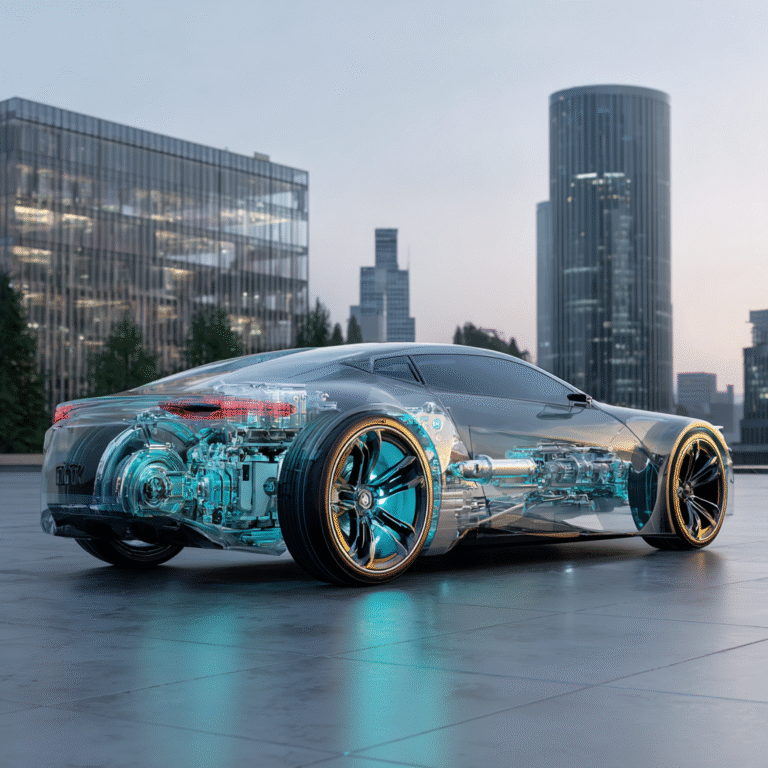
One of the most significant advancements in twin turbo technology is the introduction of enhanced airflow management systems. These systems optimize the movement of air through the turbocharger, ensuring a quicker and more efficient response. By improving the precision of airflow, manufacturers are able to maximize power output while minimizing the risk of turbo lag. This innovation not only boosts performance but also enhances overall driving pleasure.
Variable geometry turbochargers
Variable geometry turbochargers (VGT) stand out as another remarkable advancement by 2026. VGT technology allows turbines to adjust the angle of their blades, adapting to various driving conditions. This flexibility ensures that drivers can enjoy a responsive and powerful engine at low and high RPMs, combining the best of both worlds. As a result, VGTs facilitate a smoother driving experience while maintaining remarkable fuel efficiency.
Integration with hybrid powertrains
The synergy between twin turbo technology and hybrid powertrains is gaining momentum as we approach 2026. This integration leverages the strengths of both systems, providing an optimal balance of performance and environmental consciousness. By pairing electric and turbocharged engines, vehicles will not only achieve significant power increases but also reduce emissions. The anticipated outcome is a new generation of eco-friendly performance vehicles that resonate with eco-conscious consumers, making waves in the automotive world.
In summary, the advancements in twin turbo technology by 2026 present exciting opportunities for both performance enthusiasts and daily commuters. Enhanced airflow systems, variable geometry turbochargers, and hybrid integration are paving the way for a more efficient, powerful, and sustainable future in automotive engineering. For more insights on automotive technology trends, you can check out resources from Car and Driver.
How does twin turbo technology improve engine efficiency?
What if you could drive a car that combines powerful performance with remarkable fuel efficiency? Twin turbo technology is at the forefront of this revolution, capturing the attention of automotive enthusiasts in 2026. With its ability to maximize engine performance while minimizing fuel consumption, it addresses a key challenge: blending power with efficiency.
Reducing turbo lag for immediate throttle response
Turbo lag, the delay between pressing the accelerator and the turbocharger delivering power, can be frustrating. Twin turbo setups are designed to reduce this lag significantly. By utilizing two smaller turbochargers instead of one larger unit, they can spool up more quickly, providing immediate throttle response. This enhancement not only creates a more engaging driving experience but also allows for better handling in diverse driving conditions.
Optimizing fuel air mixture for better combustion
Efficient combustion is paramount for maximizing engine output and minimizing emissions. Twin turbo technology allows for precise control over the fuel-air mixture entering the combustion chamber. With better aerodynamics and airflow management, engines can achieve optimal combustion conditions across a range of operating speeds. This leads to improved horsepower and torque while efficiently using fuel, as showcased in various performance vehicles.
Impact of lightweight materials on turbocharger efficiency
In the quest for performance, weight plays a vital role. Modern twin turbo systems increasingly utilize lightweight materials, such as carbon fiber and aluminum alloys, to enhance efficiency. These materials reduce the overall weight of the turbocharger, allowing for quicker spool times and improved responsiveness. As manufacturers continue to innovate, the synergy between lightweight construction and twin turbo technology will define the next generation of performance vehicles.
For more insights into advancements in automotive technology, check out resources from “Car and Driver” and “MotorTrend”. To stay updated, consider following “AutoWeek” and “Road & Track” for the latest news in the car industry.
What role does twin turbo technology play in reducing emissions?
Compliance with stricter emission regulations
As global concerns around climate change intensify, automakers face increasingly stringent emission regulations. Twin turbo technology enhances how vehicles comply with these standards by optimizing engine performance while reducing harmful emissions. By boosting efficiency, these systems allow manufacturers to meet regulatory requirements without sacrificing power or driving experience.
How turbocharging minimizes fuel consumption
Turbocharging, especially when using twin turbo setups, significantly cuts down fuel consumption by making engines more efficient. By forcing more air into the combustion chamber, it burns fuel more completely. This leads to a better fuel-to-air ratio that not only enhances performance but also reduces the overall carbon footprint of vehicles.
The shift towards eco-friendly performance vehicles
The automotive industry is experiencing a transformative shift toward eco-friendly performance vehicles. Brands are leveraging twin turbo technology to create more sustainable options that still deliver thrilling power. These advancements allow for exciting driving experiences while adhering to environmental standards, paving the way for a new era in automotive innovation.
For further insights on vehicle emissions and technology, explore resources from “EPA,” “Green Car Reports,” “Consumer Reports,” “Automobile Magazine,” “Car and Driver,” and “MotorTrend.”
How will twin turbo technology affect vehicle performance in 2026?
Increases in horsepower and torque
With advancements in twin turbo technology, we can anticipate significant increases in both horsepower and torque in vehicles by 2026. Twin turbochargers enable engines to produce higher power outputs without the need for larger displacement. This translates to:
- Enhanced acceleration
- Quicker throttle response
- Better towing capacities
These improvements are not just noticeable on paper; they deliver an exhilarating driving experience. As manufacturers continue to innovate, expect more powerful yet efficient engines that redefine performance metrics across various vehicle classes.
Benefits for performance vs. everyday drivers
The benefits of twin turbo technology extend beyond performance enthusiasts. For everyday drivers, enhanced engine performance means a more responsive and enjoyable driving experience. Key advantages include:
- Improved fuel efficiency through better combustion
- Smoother power delivery
- Reduced turbo lag for almost immediate throttle response
Whether you’re commuting or navigating challenging terrains, these advancements promise a blend of efficiency and performance suitable for both daily drivers and performance aficionados.
Real-world applications in consumer vehicles
By 2026, twin turbo technology will likely be commonplace in a wide array of consumer vehicles. Automakers are embracing this technology:
- Compact cars will feature smaller, more efficient twin-turbo engines
- SUVs and trucks will utilize power gains for better towing and payload capabilities
- Performance cars will benefit from state-of-the-art turbo systems for maximum output
Real-world applications include models from brands like Audi, BMW, and Ford, who are already integrating this technology into their lineups, enhancing performance while adhering to emissions regulations.
What challenges are manufacturers facing with twin turbo innovation?
As the automotive industry embraces twin turbo technology by 2026, manufacturers confront several challenges that could impact performance, maintenance, and market acceptance.
Balancing performance with maintenance requirements
One of the primary challenges is balancing enhanced performance with maintenance needs. Twin turbo systems can deliver impressive power; however, they often require more meticulous upkeep. Manufacturers must ensure that engines can not only provide peak performance but also remain reliable over time to satisfy consumer expectations.
Engineering complexities of dual turbo systems
The engineering behind dual turbo systems is anything but straightforward. Creating a seamless integration of two turbochargers involves complex design considerations, including plumbing, heat management, and component weight distribution. These intricacies increase development costs and timelines, which can slow down the innovation process.
Market limitations and consumer acceptance
Lastly, market limitations pose a significant hurdle. Despite advancements in twin turbo technology, there is hesitance among consumers who may prefer traditional engines. Overcoming misconceptions about reliability and costs associated with multi-turbo setups is crucial for broader acceptance.
For more on the intricacies of this technology, explore insights from manufacturers on Motor Trend, Car and Driver, and Autoblog. Additionally, industry experts from Engineering.com shed light on the engineering challenges faced, while Consumer Reports highlights consumer perspectives. For a glimpse into the future of automotive trends, check out Automotive News.
Conclusion:
In summary, the advancements in twin turbo technology by 2026 reveal how this innovative approach is set to transform performance and efficiency in the automotive industry. By harnessing the power of twin turbos, manufacturers are not only enhancing engine output but also improving fuel economy, a critical factor in today’s eco-conscious market. As we look ahead, the implications of these developments signal a new era for automotive engineering and consumer choices. For those eager to stay informed, we encourage you to explore more about twin turbo technology and its future trends on our website, as the journey of innovation continues to unfold.